Now booking private lessons in Estero and Southwest Florida.Book a lesson
Former Division I head coach. Harvard women's tennis coach. NCAA Division I player. Now coaching serious juniors and adults in Estero and Southwest Florida.
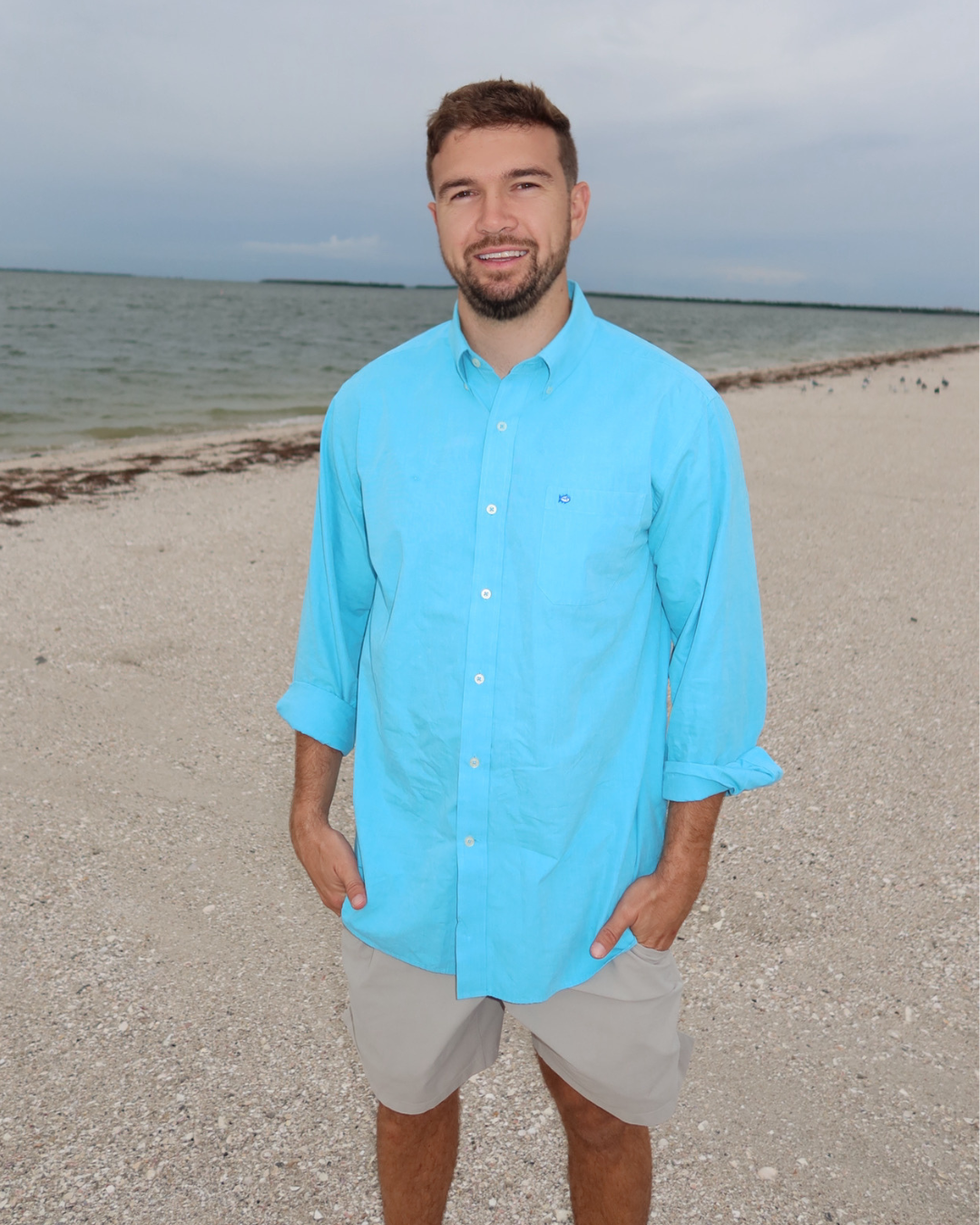
James has been on every side of the game that matters to a developing player: state champion, academy student, Division I athlete, high school head coach, Ivy League staff, and Division I head coach. That is the perspective every McManus player trains under.
Every player leaves with a clearer path forward.
Won the state title as a sophomore, two years before most players peak. It was the first proof that the work translates on match day, and it is why James believes a well-coached junior can be further along by fifteen than most families expect.
A year of full-time academy training in New Braunfels, Texas. Named most improved player at year end.
Played Division I tennis at Nebraska-Omaha, then finished his career at Coe College with an 18-4 singles record and his degree from Nebraska-Omaha.
Took over a team that had gone 2-14 and posted a 7-8 record the following spring. The development model, tested for the first time.
Volunteer assistant coach for the Crimson, working with Ivy League athletes and the coaching staff behind them.
Joined the women's program as assistant coach and served as interim head coach, recruiting and leading a Division I roster.
College-level standards, personal coaching, and a written plan for every player in Southwest Florida.

Four things every family can expect, in James's words.
Hitting balls for an hour is not training. Each session opens with the plan, targets one or two specific things, and closes with the next step. If a family cannot say what the lesson was for, it was not a McManus lesson.
Players and parents hear what is working and what is not. That is how college programs operate, and it is how players improve. Praise is earned, and so is the hard conversation.
Technique matters because it holds up on match day. Everything in the plan points toward the next event, and every event gets an honest review afterward.
Families get the written plan, a short recap after each session, and a straight answer on what level is realistic. No mystery, no upsell, no surprises at the tournament desk.
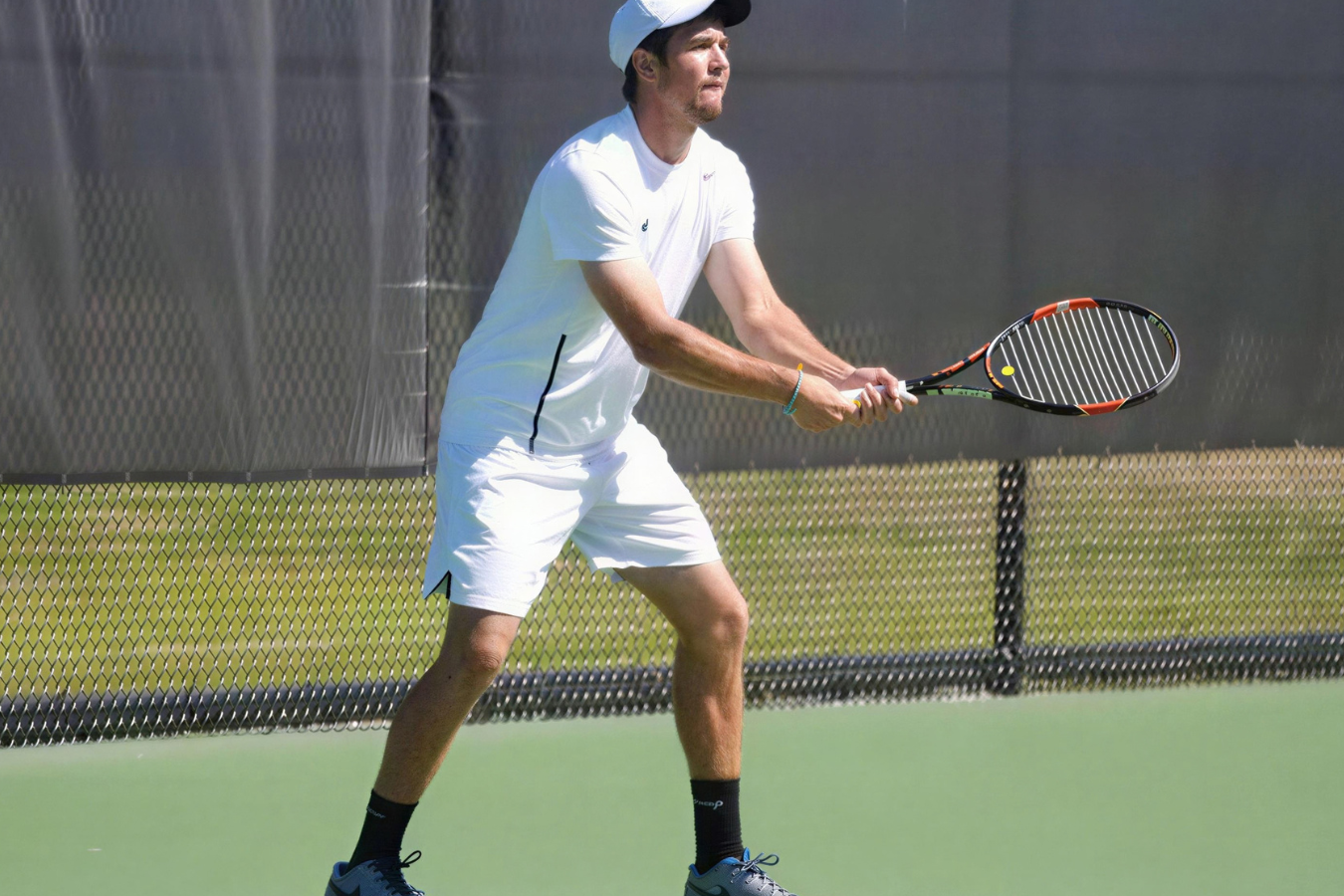
The first ten minutes of any session are quiet. James is reading footwork, contact point, and what happens under pressure. Then he tells you what he saw, plainly.
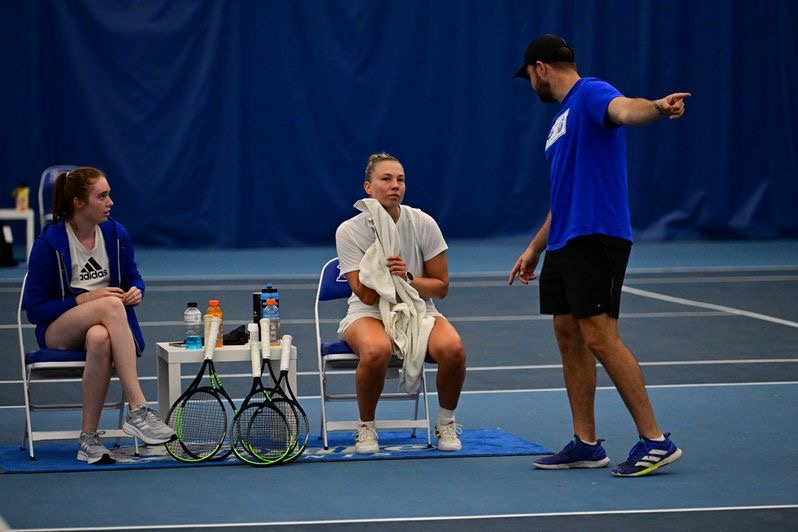
College coaches don't fix six things in an hour. They fix the one that unlocks the other five. Every session has a single technical priority and it's written on the plan.
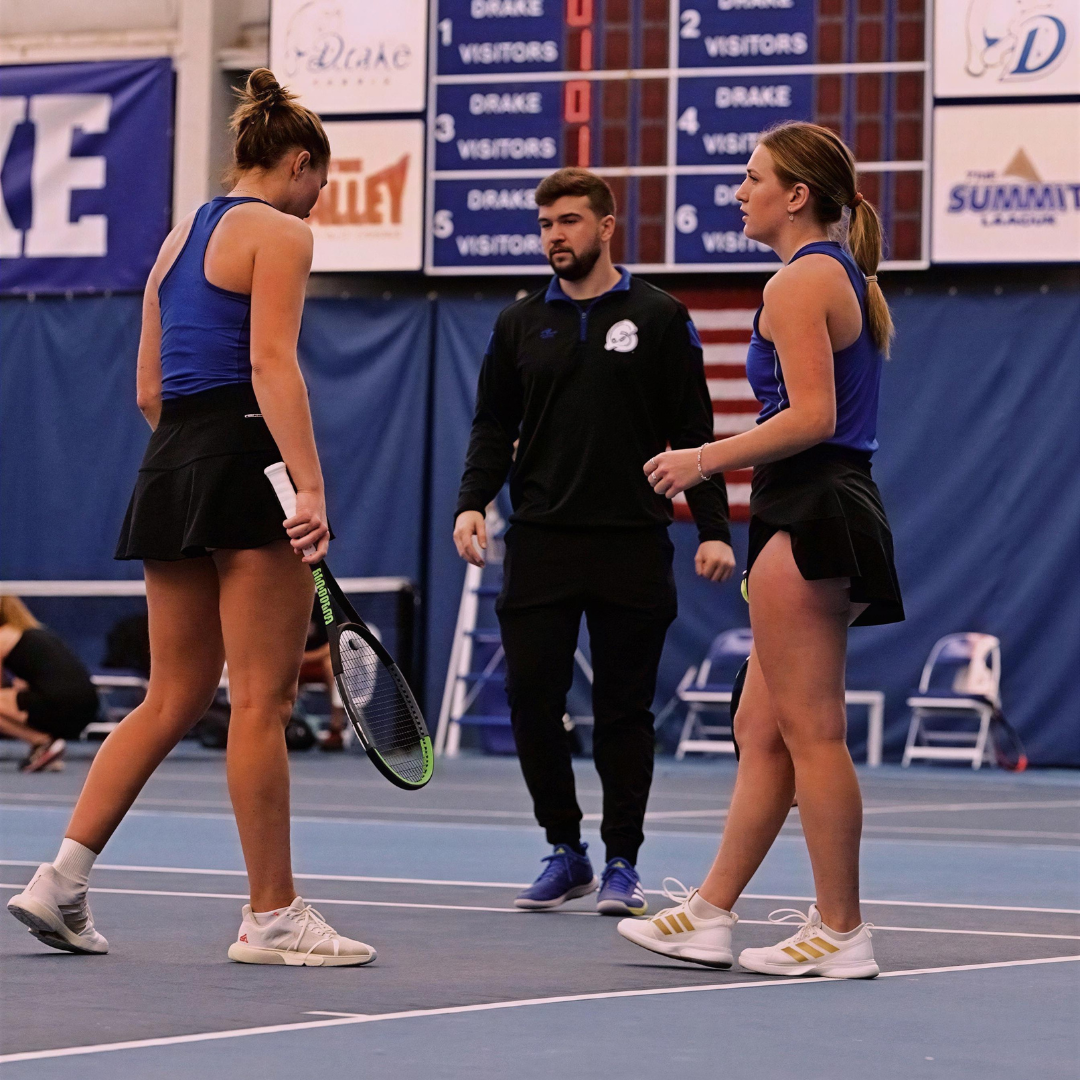
Drills don't win matches. The last block of every session is live play with a scoreboard, so the change has to hold up when it counts.
Book a private lesson. Every new player leaves the first session with a written development plan and a clearer path forward.